What goes with this color?
159 colors · 348 combinations · Tokyo, 1933
Photograph a garment, a wall or a lipstick. Assorti finds its shade among the 159 colors named by the painter Sanzo Wada, and shows you the combinations he composed.
- Ochraceous Salmon and Night Green
- Pompeian Red and Ochraceous Salmon
- Brown, Ochraceous Salmon and Lincoln Green
- Hay's Russet, Ochraceous Salmon and Blue
- Pale Burnt Lake, Ochraceous Salmon and Diamine Green
- Pomegranate Purple, Ochraceous Salmon and Aconite Violet
- Light Brown Drab, Ochraceous Salmon and Turquoise Green
- Ochraceous Salmon, Cotinga Purple and Warm Gray
- Light Porcelain Green and Olympic Blue
- Olympic Blue and Dark Tyrian Blue
- Pansy Purple, Olive Ocher and Olympic Blue
- Jasper Red, Seashell Pink and Olympic Blue
- Cameo Pink, Hay's Russet and Olympic Blue
- Peach Red, Dark Citrine, Olympic Blue and Light Mauve
- Pompeian Red, Olympic Blue, Aconite Violet and Neutral Gray
- Eugenia Red B and Sea Green
- Eugenia Red B and Vandar Poel's Blue
- Eugenia Red B, Raw Sienna, Sulphine Yellow and Green Blue
- Eugenia Red B, Ivory Buff, Citrine and Cossack Green
- Eugenia Red B, Sulphur Yellow, Olive Green and Cossack Green
- Eugenia Red B, Lincoln Green, Laelia Pink and Taupe Brown
- Eugenia Red B, Maple, Cobalt Green and Lilac
- Eugenia Red B, Naples Yellow, Yellow Ocher and Deep Slate Green
- Isabella Color and Red Violet
- Brick Red and Red Violet
- Eosine Pink, Light Mauve and Red Violet
- Scarlet, Dull Viridian Green and Red Violet
- Rosolane Purple, Orange Yellow and Red Violet
- Cinnamon Rufous, Antwerp Blue and Red Violet
- Deep Violet / Plumbeous, Vernonia Purple and Red Violet
- Vandyke Red, Dull Viridian Green, Violet and Red Violet
- Orange Yellow and Antwerp Blue
- Olive Ocher, Orange Yellow and Cerulean Blue
- Eosine Pink, Orange Yellow and Citron Yellow
- Red Orange, Orange Yellow and Violet
- Rosolane Purple, Orange Yellow and Red Violet
- Spectrum Red, Orange Yellow, Blue and Aconite Violet
- Burnt Sienna, Orange Yellow, Peacock Blue and Violet Blue
- Carmine Red, Orange Yellow, Dusky Green and Grayish Lavender B
- Apricot Yellow and Light Grayish Olive
- Apricot Yellow, Khaki and Salvia Blue
- Apricot Yellow, Turquoise Green and Antwerp Blue
- Burnt Sienna, Apricot Yellow and Green
- Vinaceous Cinnamon, Apricot Yellow and Pale King's Blue
- Raw Sienna, Apricot Yellow, Benzol Green and Deep Lyons Blue
- Old Rose, Apricot Yellow, Olive Yellow and Dull Violet Black
- Eugenia Red A, Apricot Yellow, Sea Green and Dusky Green
- English Red and Cerulean Blue
- Victoria Lake and Cerulean Blue
- Pale Lemon Yellow and Cerulean Blue
- Fawn, Cerulean Blue and Violet Blue
- Olive Ocher, Orange Yellow and Cerulean Blue
- Hermosa Pink, Light Glaucous Blue and Cerulean Blue
- Fresh Color, Yellow and Cerulean Blue
- Corinthian Pink, Red Orange, Dark Greenish Glaucous and Cerulean Blue
- Eosine Pink and Neutral Gray
- Salvia Blue, Deep Indigo and Neutral Gray
- Cinnamon Buff, Light Mauve and Neutral Gray
- Spinel Red, Pale Lemon Yellow and Neutral Gray
- Eosine Pink, Dark Soft Violet and Neutral Gray
- Carmine Red, Neutral Gray and Black
- Carmine Red, Pale Lemon Yellow and Neutral Gray
- Golden Yellow, Deep Slate Olive and Neutral Gray
- Warm Gray and Black
- Pale Lemon Yellow and Warm Gray
- Golden Yellow and Warm Gray
- Blue, Lilac and Warm Gray
- Corinthian Pink, Pale Lemon Yellow and Warm Gray
- Ochraceous Salmon, Cotinga Purple and Warm Gray
- Lemon Yellow, Green Blue, Helvetia Blue and Warm Gray
- Red, Pale Lemon Yellow, Calamine Blue and Warm Gray
- Corinthian Pink and Slate Color
- Raw Sienna and Slate Color
- Taupe Brown and Slate Color
- Golden Yellow, Antwerp Blue and Slate Color
- Turquoise Green, Cobalt Green and Slate Color
- Raw Sienna, Ivory Buff, Olive Green and Slate Color
- Carmine Red, Oil Green, Dark Tyrian Blue and Slate Color
- Red, Yellow, Diamine Green and Slate Color
The viewfinder
Your phone sees colors through the light in the room. The viewfinder corrects that cast, then names the shade.
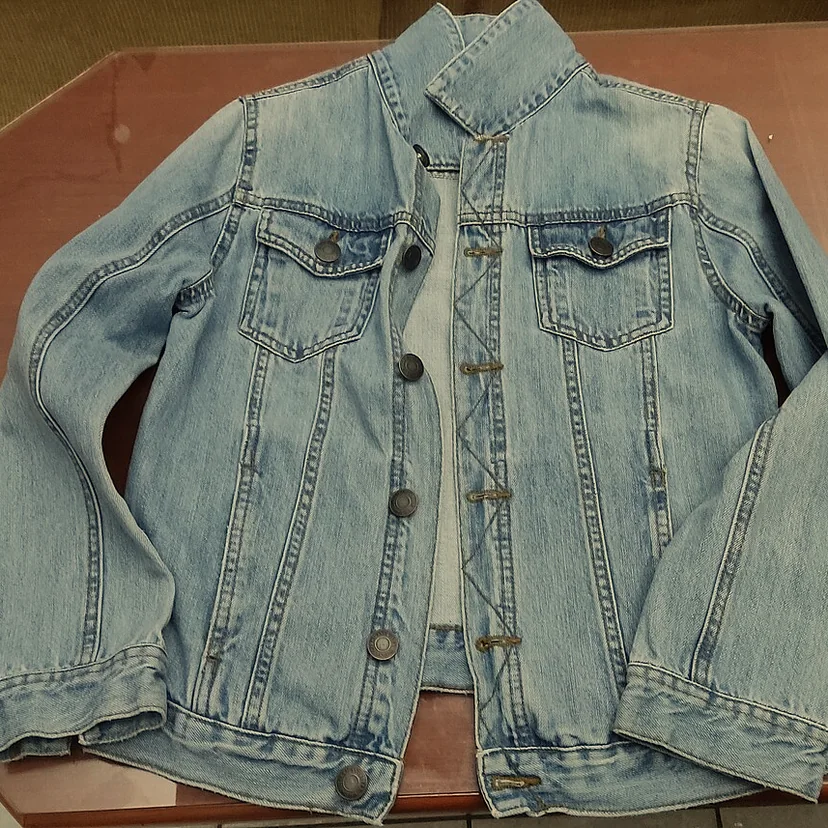
1Photograph
Aim at the object in daylight, or pick a photo. Nothing leaves your device.
Without calibration, the viewfinder would read Andover Green.
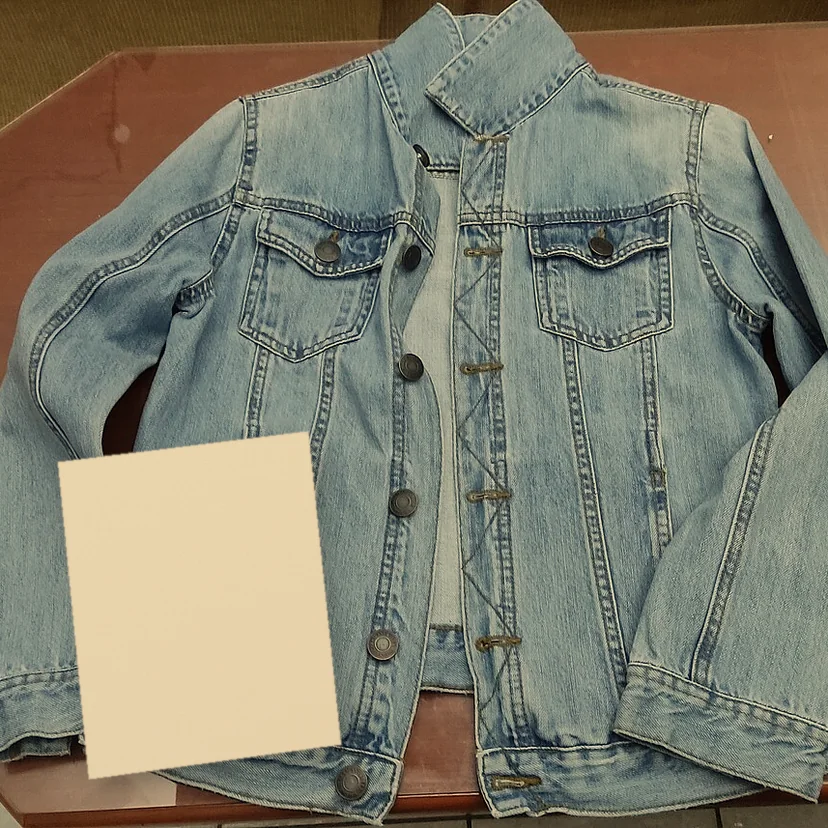
2Calibrate
Tap a white sheet of paper in the same light: the viewfinder reads the cast and removes it.
The sheet, yellowed by the bulb, gives the cast to remove.
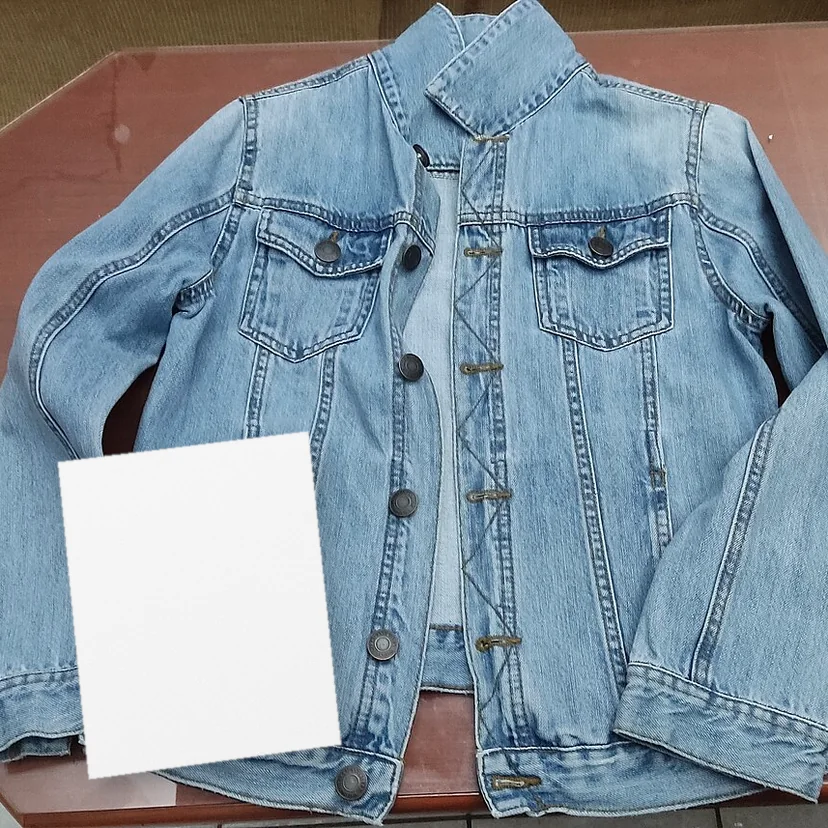
3Read
The reticle reads the shade, matches it to the 159 colors and opens their combinations.
After correction: Salvia Blue, approximate (ΔE 8.1).
Simulated on a copyright-free photo (Wikimedia Commons, CC0): the warm light and the correction are computed with the viewfinder’s formulas.
All 159 colors
In six families, in the order Wada printed them.
Reds and pinks · 38
- 001Hermosa Pink
- 002Corinthian Pink
- 003Cameo Pink
- 004Fawn
- 005Light Brown Drab
- 006Coral Red
- 007Fresh Color
- 008Grenadine Pink
- 009Eosine Pink
- 010Spinel Red
- 011Old Rose
- 012Eugenia Red A
- 013Eugenia Red B
- 014Raw Sienna
- 015Vinaceous Tawny
- 016Jasper Red
- 017Spectrum Red
- 018Red Orange
- 019Etruscan Red
- 020Burnt Sienna
- 021Ochre Red
- 022Scarlet
- 023Carmine
- 024Indian Lake
- 025Rosolane Purple
- 026Pomegranate Purple
- 027Hydrangea Red
- 028Brick Red
- 029Carmine Red
- 030Pompeian Red
- 031Red
- 032Brown
- 033Hay's Russet
- 034Vandyke Red
- 035Pansy Purple
- 036Pale Burnt Lake
- 037Violet Red
- 038Victoria Lake
Yellows, oranges and browns · 49
- 039Sulphur Yellow
- 040Pale Lemon Yellow
- 041Naples Yellow
- 042Ivory Buff
- 043Seashell Pink
- 044Light Pinkish Cinnamon
- 045Pinkish Cinnamon
- 046Cinnamon Buff
- 047Cream Yellow
- 048Golden Yellow
- 049Vinaceous Cinnamon
- 050Ochraceous Salmon
- 051Isabella Color
- 052Maple
- 053Olive Buff
- 054Ecru
- 055Yellow
- 056Lemon Yellow
- 057Apricot Yellow
- 058Pyrite Yellow
- 059Olive Ocher
- 060Yellow Ocher
- 061Orange Yellow
- 062Yellow Orange
- 063Apricot Orange
- 064Orange
- 065Peach Red
- 066English Red
- 067Cinnamon Rufous
- 068Orange Rufous
- 069Sulphine Yellow
- 070Khaki
- 071Citron Yellow
- 072Citrine
- 073Buffy Citrine
- 074Dark Citrine
- 075Light Grayish Olive
- 076Kronberg's Green
- 077Olive
- 078Orange Citrine
- 079Sudan Brown
- 080Olive Green
- 081Light Brownish Olive
- 082Deep Grayish Olive
- 083Pale Raw Umber
- 084Sepia
- 085Madder Brown
- 086Mars Brown / Tobacco
- 087Vandyke Brown
Greens · 23
- 088Turquoise Green
- 089Glaucous Green
- 090Dark Greenish Glaucous
- 091Yellow Green
- 092Light Green Yellow
- 093Night Green
- 094Olive Yellow
- 095Artemisia Green
- 096Andover Green
- 097Rainette Green
- 098Chromium Green
- 099Pistachio Green
- 100Sea Green
- 101Benzol Green
- 102Light Porcelain Green
- 103Green
- 104Dull Viridian Green
- 105Oil Green
- 106Diamine Green
- 107Cossack Green
- 108Lincoln Green
- 109Blackish Olive
- 110Deep Slate Olive
Blues · 23
- 111Nile Blue
- 112Pale King's Blue
- 113Light Glaucous Blue
- 114Salvia Blue
- 115Cobalt Green
- 116Calamine Blue
- 117Venice Green
- 118Cerulean Blue
- 119Peacock Blue
- 120Green Blue
- 121Olympic Blue
- 122Blue
- 123Antwerp Blue
- 124Helvetia Blue
- 125Dark Medici Blue
- 126Dusky Green
- 127Deep Lyons Blue
- 128Violet Blue
- 129Vandar Poel's Blue
- 130Dark Tyrian Blue
- 131Dull Violet Black
- 132Deep Indigo
- 133Deep Slate Green
Violets and purples · 20
- 134Grayish Lavender A
- 135Grayish Lavender B
- 136Laelia Pink
- 137Lilac
- 138Eupatorium Purple
- 139Light Mauve
- 140Aconite Violet
- 141Dull Blue Violet
- 142Dark Soft Violet
- 143Blue Violet
- 144Purple Drab
- 145Deep Violet / Plumbeous
- 146Vernonia Purple
- 147Dark Slate Purple
- 148Taupe Brown
- 149Violet Carmine
- 150Violet
- 151Red Violet
- 152Cotinga Purple
- 153Dusky Madder Violet
Sanzo Wada, 1883–1967
Born in 1883 in Ikuno, Japan, Sanzo Wada studied painting in Tokyo under Kuroda Seiki, then spent eight years in Europe, mostly in France (1907–1915), studying painting and the decorative arts.
A professor of design at the Tokyo School of Fine Arts, he published the six volumes of 配色総鑑 (Haishoku Sōkan) in 1933–1934: more than a thousand color combinations. The 348 on this site are its best-known selection.
In 1945 he reorganized the Japan Standard Color Association into the Japan Color Research Institute and became its chairman. His costumes for Gate of Hell (1953) won him the Academy Award for costume design.
Sources and credits